

When we think of autism, we generally think of children, but adults may recognise the signs of autism in themselves often this will happen once their child is diagnosed with being on the autism spectrum.
So, it is not surprising that many autistic adults are undiagnosed.
Historically, autism was generally identified in children and predominantly in males. These days we have a better understanding of autism and its presentation across genders. This has led to better recognition of signs that could indicate a person is autistic.
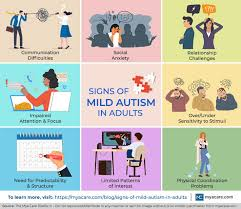
Recognising the signs of autism as an adult often comes through personal reflection. You may initially learn about autism through a family member or a friend who has been diagnosed. You may identify with their personal journey and feel a connection with them.
Seeking and undertaking a formal diagnosis is very much a personal choice. Some adults may want to get a diagnosis, but others will think what’s the point at my age. Being diagnosed can be helpful when someone is trying to work to their personal strengths. It can also bring a sense of relief, recognising that you are just different and not defective or broken.
Learning more about yourself and autism will be beneficial whatever pathway you choose.
There are two distinct pathways when seeking an adult diagnosis. Assessments can be conducted by a psychologist, or by a psychiatrist, with experience in assessing autism.
Both will conduct some form of standardised testing for autism and other conditions, such as ADHD or mood disorders, and provide you with a report.
However, there are some differences between the services and support they can provide. A report from a psychiatrist may not be as detailed as one from a psychologist.
Ensure you ask upfront what is entailed in the assessment and report process.

 Jo-AnneRamplings
Dearest Jo-Anne,
No doubt there are a lot of older people that suffer from autism without ever having been diagnosed. It was not even common decennia back.
Luckily now they can pinpoint it and help guide the affected person.
Hugs,
Mariette
Yes for many, many years people were not diagnosed, more so if they have mild autism and would be just thought of as weird
Yes Jo-Anne, a sad but true fact!