This week we are looking at the National Anthem of Cuba the anthem is called La Bayamesa (The Bayamo Song) was first performed in 1868 during the battle of Bayamo in a Cuban uprising against Spain. The author of the song played a leading part in the battle and was captured by the Spaniards and executed by a firing squad in 1870; it is said that just before the firing squad executed Figueredo, he shouted one of the lines from the anthem: “Morir por la Patria es vivir”.
It was officially adopted in 1902 but only using the first verse as the song was considered too long, the anthem was retained even after the communist revolution in 1959. The anthem is usually performed with a musical introduction, which was composed by Antonio Rodriguez-Ferrer
Originally, the song had three verses. The last two were excluded when the anthem was officially adopted in 1902, because the lyrics were seen to be excessively anti-Spanish[7] and too long compared with the other verses.
Spanish Lyrics for La Bayamesa
Al combate corred bayameses Que la patria os contempla orgullosa No temais una muerte gloriosa Que morir por la patria es vivir
En cadenas vivir es vivir En afrenta y oprobio sumidos Del clarin escuchad el sonido Alas armas valientes corred.
English Translation
Hasten to battle, men of Bayamo For the homeland looks proudly to you You do not fear a glorious death Because to die for the country is to live.
To live in chains Is to live in dishonour and ignominy Hear the clarion call Hasten, brave ones, to battle.
This week we are looking at the town of Melbourne. Greater Melbourne’s area of approximately 9900 km² of suburbs spread more than 40 km to the south, 30 km to the east, 20 km to the north and sprawl across vast, flat basalt plains to the west.
Melbourne is the coastal capital of the southeastern Australian state of Victoria. At the city’s centre is the modern Federation Square development, with plazas, bars, and restaurants by the Yarra River. In the Southbank area, the Melbourne Arts Precinct is the site of Arts Centre Melbourne – a performing arts complex – and the National Gallery of Victoria, with Australian and indigenous art.
Melbourne’s population is estimated to be around 5.39 million people.
Melbourne is situated on the traditional lands of the Wurundjeri Woi-wurrung and Bunurong Boon Wurrung peoples, part of the Eastern Kulin Nation. These First Nations peoples have a strong connection to the land, water, and community, and their history and culture are integral to Melbourne’s identity.
Melbourne has always been an important meeting place for events of social, educational, sporting, and cultural significance for the Wurundjeri Woi-wurrung and their Eastern Kulin neighbours.
The Wurundjeri and Bunurong peoples continue to have a strong connection to their land, water, and community, and they are actively involved in cultural preservation and community engagement.
Melbourne offers opportunities for visitors to learn about and experience Aboriginal culture through organizations like the Koorie Heritage Trust, Museums Victoria (Bunjilaka), and other cultural initiatives.
Melbourne has a temperate oceanic climate, also known as a mild temperate climate. This means it experiences warm summers, cool winters, and relatively consistent rainfall throughout the year. It’s also known for its unpredictable weather, with locals often saying they can experience four seasons in a single day.
The town’s location on the coast and its proximity to the Southern Ocean contribute to its changeable weather. It’s also located on the boundary of hot inland areas and the cool Southern Ocean, which further contributes to its unpredictable conditions.
Melbourne is widely known for its vibrant street art, bustling laneways, world-class coffee culture, diverse culinary scene, and thriving arts and culture scene. It’s also renowned as a major sporting city, hosting major events like the Australian Open and Australian Grand Prix. Additionally, Melbourne is recognized for its liveability and multiculturalism, making it a popular destination for both residents and visitors.
Melbourne’s history begins with its founding in 1835 by settlers from Tasmania who established a settlement on the Yarra River. The city was named in honour of the British Prime Minister, William Lamb, 2nd Viscount Melbourne. Melbourne experienced significant growth due to the 1850s Gold Rush, which brought in a large influx of people and fuelled economic prosperity.
In the 1850’s the discovery of gold in the region led to the Gold Rush, dramatically transforming Melbourne into a bustling metropolis. The city’s population quadrupled, reaching 80,000 within three years.
In 1851 Victoria separated from New South Wales and became a separate colony, with Melbourne as its capital.
Between 1850 and 1880 Melbourne became a major trading and industrial centre, with the development of infrastructure like railways and the Melbourne Harbour Trust. During 1901 and 1927 Melbourne served as the seat of government for the Commonwealth of Australia.
Melbourne hosted the Summer Olympics in 1956, becoming the first city outside of Europe and North America to do so.
During the 1990’s and 2000’s Melbourne continued to evolve, with the development of major infrastructure projects like CityLink and the construction of Federation Square.
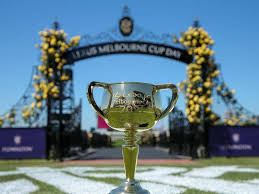
Melbourne is also famous for The Melbourne Cup which is a horse race held on the first Tuesday in November. It is an annual race held at the Flemington Racecourse. It is the richest two-mile handicup in the world and one of the richest turf races. The event starts at 3:00 pm on the first Tuesday of November and is known locally as “the race that stops the nation”.
The Melbourne Cup has cemented itself as a part of Melbourne and Australian culture, having been run every year since 1861 except for an intermission during both World Wars.
The day of the race has been a public holiday for much of Victoria since 1876.
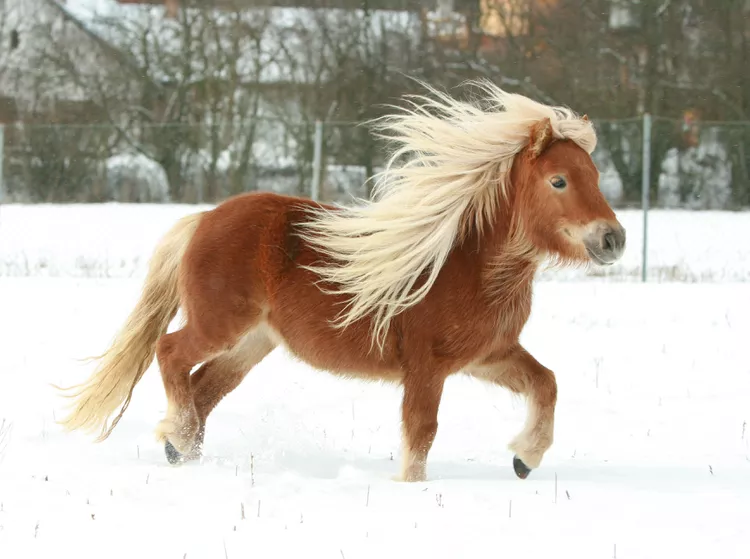
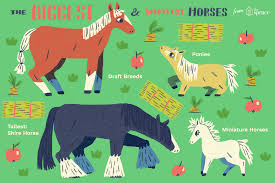
This week we are looking at the smallest horse breeds there are around a dozen common small breeds.
Smaller-stature horses stay smaller their whole lives and mature quicker than larger horses. The smaller breeds tend to be more stoic and intelligent than larger horses, which can also mean they’re often more stubborn and independent-minded. Usually, the larger the breed, the more docile the mount.
Smaller horses and ponies are powerful. They can pull or carry heavy loads with more strength than a horse, relative to their size. They are often hardier than horses and can withstand greater ranges in temperature. Their coats tend to grow thicker in the winter and have thicker manes and tails and their hooves tend to be tougher. They are heavier boned and shorter legged in proportion to their bodies compared to horses.
A Falabella Horse
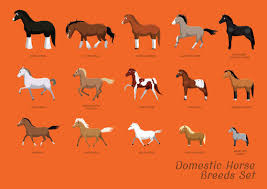
Some small horse breeds are the Falabella, Shetland Pony, Noma, Yonaguni, Fjord, Kentucky Mountain Saddle Horse Class B and American Quarter Horse to name just a few.
A Noma Horse
There is a difference between a small horse and a miniature horse. While a “small horse” generally refers to a horse that is smaller than average, a miniature horse is a specific breed or type of horse known for its diminutive size, usually under 96cm or 38 inches tall.
A Kentucky Mountain Saddle Horse
A small horse is one that is smaller than average in height, but still falls within the general horse size range. A small horse would be under 14.2 hands which is 144cm or 57 inches.
A Miniature Horse is a breed or type of horse specifically bred for its small size, they typically measured in inches rather than hands, miniature horses are generally no taller than 96cm or 38 inches (9.5 hands or 96.5 centimetres).
They have the physical characteristics of a horse, but they are very small, often resembling large dogs in size. They are generally not ridden by adults due to their size and are often used as guide animals or companion animals.
Miniature horses have gained popularity as pets and even as service animals, with some being trained as guide animals for the visually impaired.
So, a “small horse” is a broad term referring to any horse that is smaller than average, while a “miniature horse” is a specific breed or type of horse known for its very small size, usually no taller than 96 cm or 38 inches.
If you are an adult and plan to ride these smaller horses, there are two breeds to cross out entirely: miniature horses and Falabellas. Only small children–no heavier than 22kg or 50 pounds—should ever ride these tiny horses. The rule of thumb is a pony can carry a person and including tack that is 20% of their weight.
Since Falabellas are the smallest horses—some only weighing about 18kg or 40 pounds—those ponies should never be ridden for fear of hurting the pony’s back. Children can also ride Shetland ponies, Noma, and Yonaguni breeds, but only if the horse is on the heavier side and in good physical condition. If you are a heavier person, upwards of 77kg or 170 pounds, make sure the pony or small horse is at least 430 to 452kgs or 950 to 1000 pounds; it should be able to carry your weight safely.
This week we are looking at Cuba’s national things.
The coat of arms of Cuba features a shield prominently displayed in front of a fasces crowned with a Phrygian cap. The shield is supported by an oak branch on one side and a laurel wreath on the other. This heraldic design, created by Miguel Teurbe Tolón in 1849, is the official symbol of Cuba.
The national bird of Cuba is the Cuban Trogon, also known as the Tocororo. This vibrant bird features a green back, a blue crest, a red belly and beak, and a white throat and chest. Its distinctive colours mirror those of the Cuban flag, which is why it was chosen as the national symbol.
The national flower of Cuba is the white ginger lily, also known as the White Mariposa or Butterfly Jasmine. Its scientific name is Hedychium conarium.
The national dish of Cuba is Ropa Vieja, which translates to “old clothes” in Spanish. It’s a flavourful stew made from shredded beef, tomatoes, bell peppers, onions, and spices. The dish is often served with rice, black beans, and plantains.
While Cuba doesn’t have a single officially designated national drink, the Mojito and the Cuba Libre are widely recognized as its most iconic and popular cocktails. The Mojito, a blend of rum, mint, lime, and sugar, is a classic Cuban drink often associated with the country’s hot weather and vibrant culture. The Cuba Libre, a simple mixture of rum and Coca-Cola, is another beloved beverage that symbolizes Cuba’s struggle for independence and remains a symbol of Cuban identity.
The national colours of Cuba are red, white, and blue. These colours are prominently featured on the Cuban flag, which consists of three blue stripes, two white stripes, and a red triangle with a white star.
Symbolism of the Colours:
Blue: Represents the country’s maritime location and the ideals of its people.
Red: Symbolizes the blood spilled by those who fought for Cuban independence.
White: Represents the purity of the revolutionary cause.
The national sport of Cuba is baseball. While football (soccer) is also popular, baseball has a strong cultural significance and is considered the national sport. It was introduced in the 1860s from the United States and quickly became a beloved pastime.
Up and dressed and ready for the day, it is going to be another hot one. It is Easter Sunday and since Dad died on Easter Sunday 2019, this is a sad day for me and my siblings, tomorrow will also be a sad day because it will be the date of his passing.
Sandy called in on her way home from the cemetery as Skylar needed the toilet.
By 1pm I had to turn the air con on as it was 28C, I have a headache this afternoon.
Steps:7,359
DAD PASSED AWAY THIS DATE 6YR’S AGO
Up and dressed and ready for the day, it is going to be a warm day as in not as hot as yesterday, but we will see.
Tim and I went to visit Kathy and family, after we left home, I realised I didn’t have any medication in my bag, so I didn’t take it till we got home at 11am.
I had to have a nap as my headache was making it hard to concentrate on anything.
I have done bugga all today, I did some blogging, wrote a letter and vacuumed out. I also emptied the bins.
Steps:9,130
Another day is here, I had a restless start to the night but once I settled, I slept through till the alarm went off.
Tim went and voted, he then went and handed in Jess’s lease review. He also went and blood taken before going and getting fresh bread.
After the movie Tim was watching finished at 4pm I had him hang four more photos for me.
At 6.15pm I had a burst of energy and rearranged some photos and did some dusting. I then vacuumed again.
I have been sweating on and off all day.
Steps:9,320
After getting up and having a nice hot shower I am dressed and ready for the day, supposed to be a wet one.
Tim has work this morning, thankfully.
It started out cool but warmed up and I changed into shorts.
Someone came and looked at the path up to Bears door, he said someone he will be here tomorrow to even it out.
Steps:6,120
Another good night’s sleep, Tim had to get up at 3am as he had an early run before his training.
Someone came and evened out the footpath out the front of Bear’s house so he shouldn’t trip on it anymore.
Tim didn’t get home till after 5pm so it was a long day for him.
I managed to write a few more letters.
I am feeling really drained by the end of the day.
Steps: 7,737
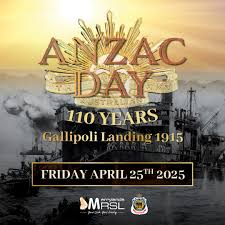
Today is Anzac Day
Another good night’s sleep, it is a cool morning and looks like it may rain. I have done a load of washing and hung it out to dry. I changed into shorts but with Tim leaving the doors open I may have to change into longer pants again.
Kathy and Summer came over for a visit after they left Tim caught a sick looking corolla ad took it to the vets but first, he rang Wires, they gave him a code, so he doesn’t have to pay.
Steps:6,590
I slept well, Tim and I went to the shops, I was surprised when Kathy rang this morning as I wasn’t expecting her to as she was here yesterday.
Sue came over to pick the shoes I ordered for her from Temu, I also gave her a pair of leggings she was pleased with them.
Hello, all my readers, today in Australia it is Anzac Day an important day for Australians.
ANZAC stands for Australian and New Zealand Army Corps.
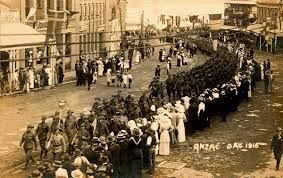
First Anzac Day March
The 25th of April was officially named Anzac Day in 1916.
On the 25th of April 1915, Australian and New Zealand soldiers formed part of the allied expedition that set out to capture the Gallipoli peninsula. These became known as Anzacs and the pride they took in that name continues to this day.
Anzac Day is a National Day of Remembrance in Australia, New Zealand and Tonga that broadly commemorates all Australians and New Zealanders “who served and died in all wars, conflicts, and peacekeeping operations” and “the contribution and suffering of all those who have served”.
The Anzac Day holiday is always recognised and observed on the 25 April every year. This includes when it falls on a weekend. In many places it is only a half day public holiday with many places of business opening at 1pm.
On 25 April 1916, marches were held throughout Australia, while in London more than 2000 Australian and New Zealand troops marched through the city. Anzac Day marches have been held every year since. After a decline in numbers of people marching during the 1970s, many thought the tradition was dying out, however, the 1980 Anzac Day march saw its largest Sydney attendance in a decade, with 21,000 ex-service members. Melbourne recorded the biggest turnout in 20 years, with more than 15,000 taking part including Prime Minister Malcolm Fraser.
Wall of honour at the War Memorial in Canberra
Anzac Day is as important to most Australians today as it was back in 1916.
Lastly, I will mention at the original Aussie Anzacs were all volunteers.
This week we are looking at the town of Darwin which is the capital of the Northern Territory and has been since 1911 when the area was transferred from South Australia to the Commonwealth of Australia. The handover also included a renaming of the city from Palmerston to Darwin. Darwin was also given city status in 1959. It was a former frontier outpost.
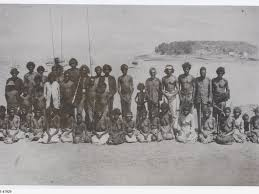
The traditional owners of Darwin are the Larrakia (saltwater) people. Larrakia country runs far beyond the municipal boundaries of Darwin, covering the area from the Cox Peninsula in the west to the Adelaide River in the east. The Larrakia people established the first trade routes in the region, trading with the Tiwi, Wagait, and Wulna people as well as with Indonesian fishermen. Their stories, songs, and ceremonies echo the strong connection and understanding they have with the saltwater country.
Darwin is a gateway to massive Kakadu National Park. Its popular waterfront area has several beaches and green areas like Bicentennial Park. Also near the water is the Museum and Art Gallery of the Northern Territory, displaying Southeast Asian and Pacific art, plus a pearling lugger and other seafaring vessels.
In 1839, the HMS Beagle with Lt. John Lort Stokes aboard sailed into the waters of what is now known as Darwin harbour. Stokes named the harbour after his former shipmate British evolutionist Charles Darwin but contrary to popular rumours, Darwin himself never visited the area.
Darwin was originally founded as Palmerston in 1869, although the port was always known as Port Darwin. The town’s growth was accelerated when gold was discovered at Pine Creek in 1871.
In 1939 a Darwin Town Management Board was formed comprising three Commonwealth Government officers and a Citizens’ Advisory Committee. However, it ceased when Darwin was bombed during World War II.
Between February 1942 and October 1943, the Japanese launched more than 60 air raids over Darwin.
Since the early 1960s, Council has hosted a service on 19 February to commemorate the Bombing of Darwin. In 2011, the Governor General of Australia officially declared the 19 February ‘Bombing of Darwin Day – A National Day of Observance’.
When Darwin returned to civilian control after the war, a new Town Management Board was formed comprising officials and a representative group of residents.
On 1 July 1957 the people of Darwin elected for the first time a Mayor and 12 Councillors. There was much enthusiasm at the time for granting of self-governance with a voter turnout of more than 85 per cent on Election Day, 29 June 1957. Council’s first elected Mayor was Lucius (Bill) Richardson.
In May 1975, Darwin elected its first female Mayor, Dr Ella Stack, who also played a strong role in the Darwin Reconstruction Committee.
In 1978 the Commonwealth passed The Northern Territory (Self Government) Act 1978 establishing the Northern Territory as a distinct political entity under the Crown, with limited state-like powers, effective on 1 July 1978.
In November 1979 Dr Stack became Darwin’s first Lord Mayor.
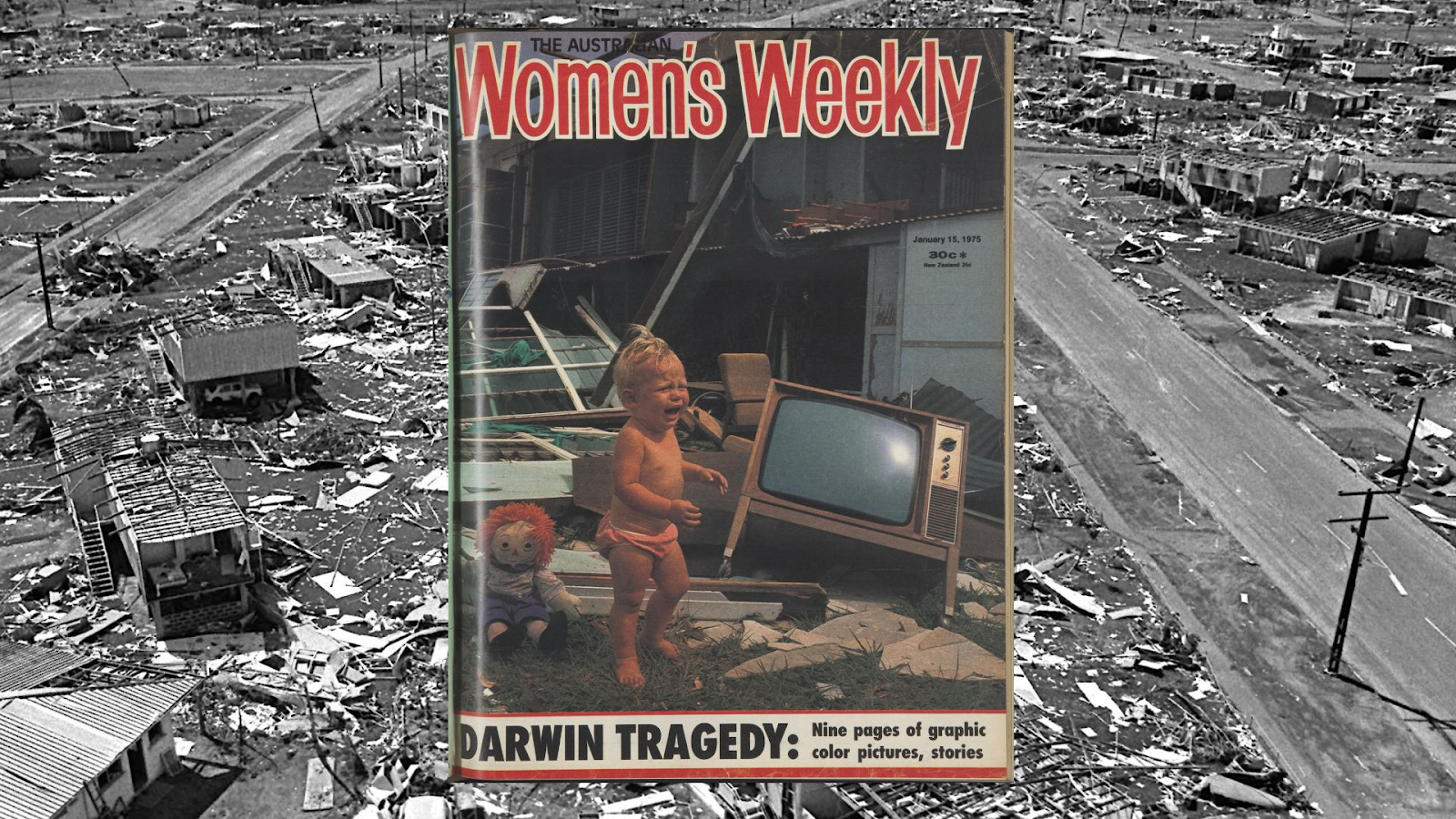
Darwin was the scene of the biggest airlift in Australian history after Cyclone Tracy devastated the city in the early hours of Christmas Day 1974. Cyclone Tracy killed 66 people and injured thousands more. Many of those who died or were injured were struck by flying debris.
More than 30,000 of the city’s then 43,000 people were evacuated to cities and towns all over Australia immediately after the devastation of Tracy. But for many Darwin was a hard place to stay away from and people returned to resume their lives in the capital city of the Northern Territory. After the cyclone, the Darwin Reconstruction Commission (DRC), made up of Federal, Territory, and Local Government representatives, was involved with the running and rebuilding of the city which gradually turned Darwin into the most modern capital city in the nation.
The estimated usual resident population of Greater Darwin in 2021 was 139,902. This makes Darwin Australia’s smallest capital city. The city has nearly 53% of the Northern Territory’s population.













 Jo-AnneRamplings
