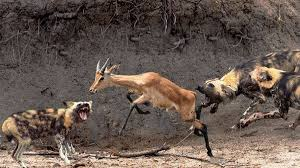
Ok I have written about big dogs, little dogs, beautiful dogs and ugly dogs now I am looking at dangerous dogs, and yeah I know and believe that any dog can act in a dangerous way, it isn’t black and white so don’t shoot me if you disagree this is what information I found online.
A dangerous dog usually means a dog that has seriously attacked, bitten, or threatened a person or animal, or is officially classified that way under local law. The law can be different depending on your country, state or local council.
There are usually laws that state what is considered a dangerous dog.Many animal experts argue that training, socialisation, treatment, and owner responsibility matter more than breed alone.
Things that are looked at when declaring a dog dangerous are things like has the dog
Attacked or injured a person
Attacked or killed another animal
Acted in a way that causes a reasonable fear of serious harm or has been declared dangerous by a local council or animal control authority.
In many places, once a dog is declared dangerous, the owner may have to follow strict rules such as:
secure fencing or enclosure
muzzle and leash requirements
warning signs on the property
special registration or permits
limits on where the dog can go
In many places, a dog is classified as dangerous based more on its behaviour and history than its breed, however, some places have breed-specific laws or restrictions that often target breeds such as:
Pit Bull Terriers or pit bull–type dogs
American Staffordshire Terriers
Staffordshire Bull Terriers
Rottweilers
Dobermans
German Shepherds
Fila
Japanese Tosas
Dogo Argentinos
Presa Canarios
So do you consider any of these dogs as dangerous, I have always thought of Pit Bulls and Rottweilers as dangerous but I also know people who have owned Rottweilers and the dog has not been dangerous.
Now many years ago people referred to our dog “Dot Dot” as dangerous and vicious this is “Dot Dot”.
Ok I have written about big dogs, little dogs, beautiful dogs and ugly dogs now I am looking at dangerous dogs, and yeah I know and believe that any dog can act in a dangerous way, it isn’t black and white so don’t shoot me if you disagree this is what information I found online.
A dangerous dog usually means a dog that has seriously attacked, bitten, or threatened a person or animal, or is officially classified that way under local law. The law can be different depending on your country, state or local council.
There are usually laws that state what is considered a dangerous dog.Many animal experts argue that training, socialisation, treatment, and owner responsibility matter more than breed alone.
Things that are looked at when declaring a dog dangerous are things like has the dog
Attacked or injured a person
Attacked or killed another animal
Acted in a way that causes a reasonable fear of serious harm or has been declared dangerous by a local council or animal control authority.
In many places, once a dog is declared dangerous, the owner may have to follow strict rules such as:
secure fencing or enclosure
muzzle and leash requirements
warning signs on the property
special registration or permits
limits on where the dog can go
In many places, a dog is classified as dangerous based more on its behaviour and history than its breed, however, some places have breed-specific laws or restrictions that often target breeds such as:
Pit Bull Terriers or pit bull–type dogs
American Staffordshire Terriers
Staffordshire Bull Terriers
Rottweilers
Dobermans
German Shepherds
Fila
Japanese Tosas
Dogo Argentinos
Presa Canarios
So do you consider any of these dogs as dangerous, I have always thought of Pit Bulls and Rottweilers as dangerous but I also know people who have owned Rottweilers atnd the dog has not been dangerous.
Now many years ago people referred to our dog “Dot Dot” as dangerous and vicious this is “Dot Dot”.