

This week we are looking at horses, the horse is a domesticated, one-toed, hoofed mammal. The horse has evolved over the past 45 to 55 million years from a small multi-toed creature, Eohippus, into the large, single-toed animal of today. Horses are a diverse species with more than 400 different breeds.
Humans first domesticated horses close to 4,000 years ago. In the centuries since then, we have used breeding to evolve horses that serve different purposes. Some breeds developed to be strong enough to carry heavy burdens.
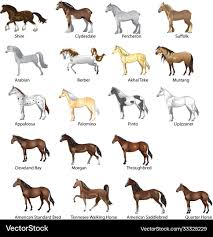
It’s estimated that there are around 60 million horses worldwide, both wild and domesticated. This includes a wide variety of breeds, with some countries having more diverse populations than others. While exact figures are difficult to determine, horses are found in many countries across the globe.
Horses can be found in virtually every country on Earth, both in domestic care and as feral or wild populations. While exact numbers are difficult to determine, there are an estimated 60 million horses globally, both domesticated and wild. This widespread distribution reflects the horse’s adaptability and its historical importance to human societies.
Depending on breed, management and environment, the modern domestic horse has a life expectancy of 25 to 30 years. Uncommonly, a few animals live into their 40s and, occasionally, beyond. The oldest verifiable record was “Old Billy”, a 19th-century horse that lived to the age of 62.

In simple terms, horses eat grass and hay or haylage, but salt, concentrates and fruits or vegetables can also enhance their diets, depending on the required work regime and available feed.
The gestation period for a horse is 340 days on average, or about 11 months. Some mares may give birth earlier or later, particularly if they are a maiden (this is their first pregnancy), or if there are health.
While horses can conceive twins, it’s extremely rare and carries significant risks for both the mare and the foals. Twin pregnancies are often managed by reducing the pregnancy to a single A mare can typically have between 16 and 20 foals in her lifetime, with most mares giving birth to only one foal at a time.
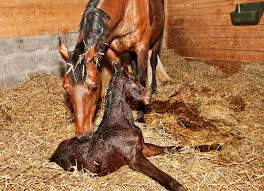
A male horse is generally called a stallion. If the male horse is castrated, it’s called a gelding. A young male horse is known as a colt.
A female horse is called a mare. Specifically, a mare is an adult female horse, while a female horse under four years old is called a filly.

They have a natural ability to swim and are often found in water, especially when they can’t avoid it. Horses swim using a paddle-like motion, similar to their trot, and they can learn to swim easily. While they can swim, they cannot swim underwater and need to keep their heads above water.
Horse height is measured in “hands,” where one hand is equal to 4 inches. This is typically done by measuring the height of the horse’s withers, the highest point on their back between the shoulder blades.
Next week I will cover the largest and the smallest horses.
 Jo-AnneRamplings