New Years Fireworks

It is the day before New Years Eve and I was thinking about it and wondered how many countries see in the new year with fireworks, the answer is somewhere between 100 and 120, that’s more than I thought.

Some of the biggest firework displays take place in Sydney, London, Las Vegas and Ras Al Khaimah. Some sources say the biggest display is in Ras Al Khaimah.

The cost of the firework display in Sydney is around $6 million, I have no idea how much is spent in other places, but I expect it is a bloody lot.

Here people start finding their spot to watch them fireworks from early on in the day as many of the prime free vantage points officially open around 9am–10am, and people begin queueing before opening time. These spots often hit capacity by lunchtime. A couple of free places are Hickson Road Reserve opened at 9am and reached capacity just after 12:30pm another is Bennelong Lawn, Tarpeian Lawn, Campbells Cove, and Circular Quay also open around 9–9:30am and fill quickly.

Most areas with clear views of the Harbour Bridge or Opera House are already packed or close to it by 12pm–2pm.

If you arrive after 4pm, your chances of getting into a top-tier free spot (Opera House surrounds, Mrs Macquaries Point, Circular Quay) drop dramatically. Many will already be closed due to capacity.

Some vantage points (e.g., Opera House forecourt) are ticketed and sell out well in advance. These guarantee entry but still require arriving early for a good position.

You may be thinking why so early?

Sydney draws over one million people to the harbour foreshore each NYE. With limited space and strict entry controls (no re-entry, bag checks, alcohol restrictions), people settle in for the whole day.

So, what do people do while waiting, well some read, some play board games or listen to podcasts and some take a nap. Of course, people need to make sure they have food, water and sunscreen and some kind of shade gear.

Three countries that do not celebrate NYE are Iran as there New Year is in March, Afghanistan, Saudi Arabia, Yemen and Somala to name a few.

Sydney, New South Wales, Australia

This week we are looking at Sydney, which is the capital of New South Wales and one of Australia’s largest cities, is best known for its harbourfront Sydney Opera House, with a distinctive sail-like design. Massive Darling Harbour and the smaller Circular Quay port are hubs of waterside life, with the arched Harbour Bridge and esteemed Royal Botanic Garden nearby. Sydney Tower’s outdoor platform, the Skywalk, offers 360-degree views of the city and suburbs.

The estimated population of the Sydney metropolitan area in 2025 is around 5.248 million. 

Greater Sydney covers 12,368.7 sq km and is made up of 34 local councils. Over 650 suburbs make up the Greater Sydney region.

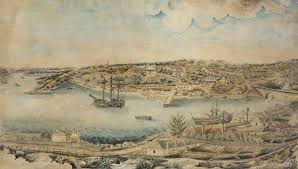
Sydney was founded 237yrs ago when in 1788, the First Fleet of convicts, led by Arthur Phillip, founded Sydney as a British penal colony, making it the first European settlement in Australia.

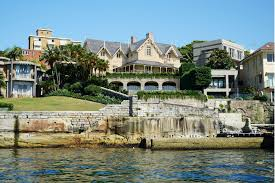
Sydney is also where Kirribilli House is, this is the secondary official residence of the prime minister of Australia. Located in the Northern Sydney suburb of Kirribilli, New South Wales, the cottage and its associated grounds are located at the far eastern end of Kirribilli Avenue. 

It commands impressive views across to the Sydney Harbour Bridge, Circular Quay and the Sydney Opera House and has been visited over the years by many important international dignitaries. Kirribilli House is open to the public on one day a year, courtesy of The Australiana Fund.

This year it will be open to the public for an open day on Saturday, June 3rd, 2025, from 10:00 am to 2:00 pm, along with Admiralty House, allowing visitors to explore the grounds and gardens.

There will be tours of both houses, and then lunch on the lawns. You can bring a packed lunch, or there will be food available to purchase. Entry is $15. 

Sydney has relatively low crime rates compared to many other major cities globally. Violent crime is uncommon, and the city is known for its safe streets.

Sydney’s public transportation system, including buses, trains, and ferries, is generally safe and mostly reliable all the services are well-monitored and have security measures in place. We also have transit officers that can tell people to leave stations and trains, demand full name and residential address when they suspect, on reasonable grounds that a person has committed a railway offence, Issue infringement notices (‘on-the-spot’ fines) for railway offences.