Eye diseases and disorders

This week we are looking at eye diseases or disorders at least 2.2 billion people worldwide have some form of vision impairment or eye condition that’s about 28% of the population. This figure doesn’t include things like dry eye or conjunctivitis or any other condition that doesn’t affect sight, if it did the percentage would be more like 50% of the population.

Eye diseases include any condition that affects the cornea, lens, retina, optic nerve, eyelids, or the visual pathways in the brain. Some are mild and temporary; others can cause permanent vision loss if untreated.

Eye conditions for into one of eight categories these are the following.

Refractive Disorders (Most Common Worldwide)

These affect how light bends in the eye.

  • Myopia (short‑sightedness) – distant vision blurred
  • Hyperopia (long‑sightedness) – near vision blurred
  • Astigmatism – uneven focus due to irregular cornea
  • Presbyopia – age‑related loss of near focus (40+)

Treatment: glasses, contact lenses, or refractive surgery.

Lens Disorders

Cataracts

Clouding of the lens causing blurred or dim vision.

  • Extremely common with age
  • Treated with cataract surgery (one of the safest surgeries worldwide

Retina Disorders

These affect the light‑sensitive layer at the back of the eye.

Age‑Related Macular Degeneration (AMD)

  • Damages central vision
  • Leading cause of blindness in older adults
  • Two types: dry and wet

Diabetic Retinopathy

  • Caused by diabetes damaging retinal blood vessels
  • Can lead to blindness if untreated

Retinal Detachment

  • Retina pulls away from the back of the eye
  • Medical emergency
  • Symptoms: flashes, floaters, curtain over vision

Macular Hole / Macular Pucker

  • Distortion or loss of central vision

Optic Nerve Disorders

Glaucoma

  • Damage to the optic nerve, often due to high eye pressure
  • Causes gradual, irreversible vision loss
  • Requires lifelong management

Optic Neuritis

  • Inflammation of the optic nerve
  • Often linked to autoimmune conditions

Corneal Disorders

Keratoconus

  • Cornea thins and bulges into a cone shape
  • Causes distorted vision
  • Treated with cross‑linking, contacts, or corneal transplant

Corneal Ulcer

  • Open sore, usually from infection
  • Painful and urgent to treat

Eyelid & Surface Disorders

Blepharitis

  • Inflammation of eyelid margins
  • Causes irritation, crusting, dryness

Conjunctivitis (Pink Eye)

  • Viral, bacterial, or allergic
  • Causes redness, discharge, irritation

Dry Eye Disease

  • Very common
  • Caused by poor tear quality or quantity

Childhood Eye Disorders

Amblyopia (Lazy Eye)

  • Brain favours one eye
  • Treatable if caught early

Strabismus (Eye Turn)

  • Eyes misaligned
  • May require glasses, exercises, or surgery

Rare but Serious Conditions

·       Uveitis – inflammation inside the eye

·       Retinoblastoma – childhood eye cancer

·       Graves’ Eye Disease – autoimmune swelling behind the eyes

·       Idiopathic Intracranial Hypertension – pressure on optic nerve

When it comes to our eyes people should seek immediate help if they experience any of the following

  • Sudden vision loss
  • Flashes or a curtain over vision
  • Severe eye pain
  • Sudden double vision
  • Chemical injury

These can indicate emergencies like retinal detachment, acute glaucoma, or infection.

Eye Issues Part 1

Good afternoon we are looking at some of then issues that can arise with our eyes.

Now you may or may knot know there is a clear layer of membrane that covers the eye, this is usually colourless, and it has tiny blood vessels which are too fine to see.

First off is bloodshot eyes, this happens when the eye becomes infected or irritated these tiny blood vessels which is seen as fine red threads thus the name “bloodshot”. Bloodshot eyes usually return to normal slowly after the cause has gone.

Second off we have conjunctivitis, also known as pink eye, this is caused by infections, allergies, or irritants that inflame the membrane covering the white of the eye and inner eyelid.

There are three different types, viral, bacteria and allergic.

Viral is most commonly caused by adenoviruses but can also stem from herpes simplex or varicella-zoster viruses. Often associated with colds or respiratory infections. It is highly contagious.

Bacterial infections are caused by bacteria like StaphylococcusStreptococcus, or Haemophilus. Spread through contact with contaminated items (e.g. towels, cosmetics, hands). This is also contagious.

Then we have allergic which is triggered by allergens such as pollen, dust mites, pet dander, or certain cosmetics. Typically affects both eyes and may accompany hay fever symptoms like sneezing and itchy nose.

Third we have spots and floaters, these are quite common and appear as black or gray spots, squiggly lines or could be blurry or shadowy spots. They move as your eyes move and are most noticeable against bright backgrounds like the sky or a white wall.

They are caused by changes in the gel-like substance inside your eye, but sudden or severe symptoms may signal a serious condition.

You should seek medical attention if, floaters suddenly increase in number, you see flashes of light, there’s a loss of peripheral vision or floaters begin to impair your vision.

More next week

Eye Care

Ok I am going to share a bit more about our eyes today I am focusing on eye care. Our eyes are so important, and we need to try and take care of them.

One simple thing we can do is to wear eye protection not just when working around or with things that capable of harming our eyes, but we now know that our eyes also need to be protected from the sun thus, the reason we should wear sunglasses. Most of us know we shouldn’t look directly at the sun.

However, there are some who do not realise that snow reflects a lot of light and the glare can also damage our eyes through snow blindness, this is why snow goggles should be regarded as essential when enjoying the snow.

Something many don’t think about is cleaning our eyes this is simple to so by washing our face of a morning to remove what many will call the sleep around our eyes overnight. We also should remove any make up before going to bed at night. Then there are those who wear contact lenses, some have left their contacts in longer than what is considered safe and do not clean their contacts as often as they should.

Now days there is the damage that can be done by sitting in front of a computer screen, if you are finding your eyes feeling itchy and dry then you need to take a break from staring at the screen. Apparently when we are looking at the computer screen we don’t blink enough, anyone who finds their eyes feeling dry or itchy they should consider using some dry eye drops also know as artificial tears.

As we age having our eyes checked by an optometrist which here in Australia is free to do. I have my eyes checked every year as I have diabetes.

I will write more about the different conditions that can affect the eyes in future posts.

Falling over

Today we are looking at falling over, something that can happen to some people more as they age or if the develop a medical conditioned affecting someone’s balance and coordination. Falling is something I have done a few times in the last 4 years, thankfully I haven’t broken any bones but have had concussion a couple of times and have needed stitches after a couple of falls.

In fact, people fall for a variety of reasons, including environmental factors, physical and cognitive conditions, and even medication side effects. Common causes range from tripping hazards and poor lighting to muscle weakness, balance problems, and vision impairments. 

Medications, especially those causing dizziness or drowsiness, and certain health conditions like diabetes or Parkinson’s disease can also contribute to falls. 

Environmental Factors are things like wet floors, icy patches, or uneven pavement can easily cause a slip or trip. 

Insufficient lighting can make it difficult to see hazards and navigate obstacles like furniture, cords, or other items safely.  

Lack of support can make it difficult to maintain balance, especially on stairs or in the bathroom. 

Physical and Cognitive Conditions include things like weak leg and core muscles can reduce stability and make it harder to recover from a stumble. Difficulty with balance, walking patterns, or coordination can increase the risk of falls. 

Then we have impaired vision, or hearing which, can make it harder to identify hazards and react appropriately. Then we have conditions like dementia can affect judgment and awareness of surroundings, increasing fall risk. 

Low blood pressure can be an issue especially when rising from a seated or lying position, low blood pressure can cause dizziness and falls. 

Conditions like arthritis, diabetes, Parkinson’s disease, and heart disease can all impact mobility and balance. 

Certain medications, especially those affecting the nervous system, can cause dizziness, drowsiness, or confusion. Taking multiple medications, particularly those with overlapping side effects, can increase fall risk. 

The fear of falling can lead to reduced activity, which can further weaken muscles and increase the risk of falls. 

Diabetes Risk Factors

Ok this week will look at the risk facts of both types of diabetes.

Some of the risk factors for type 1 diabetes include:

  • Family history: Having a parent or sibling with type 1 diabetes increases your risk 
  • Age: Type 1 diabetes usually develops in children, teens, or young adults, but it can occur at any age 
  • Genetics: Certain genes can increase your risk of developing type 1 diabetes 
  • Geography: The number of people with type 1 diabetes increases as you move away from the equator 
  • Environmental factors: These include the amount of sunlight you get, the food you eat, and cold weather 
  • Diseases in early life: Diseases like measles, varicella, rhinitis, and eczema can increase your risk

Some of the risk factors for type 2 diabetes include:

  • Weight: Being overweight or obese, especially around the waist 
  • Activity: Having a low level of physical activity 
  • Diet: Having unhealthy eating habits 
  • Family history: Having a parent or sibling with type 2 diabetes 
  • Age: Being 45 or older 
  • Smoking: Smoking cigarettes 
  • Blood pressure: Having high blood pressure 
  • Cholesterol: Having high cholesterol 
  • Gestational diabetes: Having had gestational diabetes or giving birth to a baby who weighed over 9 pounds 
  • Medication: Taking antipsychotic medication 
  • Sleep: Having unusual, disturbed, or reduced sleep 

Type 2 diabetes can be prevented or delayed by maintaining a healthy weight, eating healthily, and being regularly active. 

A bit about diabetes

This week we are looking at diabetes, I thought I had written about it before but couldn’t find one, so here is one.

Diabetes is a chronic disease that occurs when the body doesn’t produce enough insulin or doesn’t use insulin properly, resulting in high blood sugar levels.

There are two main types of diabetes type one and type two but there is also Gestational diabetes which is diagnosed during pregnancy with a blood sugar test, however after giving birth this type often goes away. However, having it increases your chances of developing type two later on.

Type one is often diagnosed in childhood, but it can develop at any age. It’s less common than type 2 diabetes, affecting about 5–10% of people with diabetes. The exact cause is unknown, but it’s likely caused by a combination of genetic and environmental factors. No, you are not born with it as I have heard some people say.

Then there is type two with this one there isn’t a clear pattern of inheritance, but the risk increases with the number of affected family members. This is likely due to shared genetic factors and lifestyle influences, such as diet and exercise habits. Other risk factors include being overweight, having high blood pressure, and being older. 

In both types of diabetes, sugar builds up in the bloodstream because the pancreas doesn’t produce enough insulin. 

Symptoms of type 1 diabetes include:

  • Urination: Frequent urination, including bedwetting in children
  • Thirst: Excessive thirst
  • Weight loss: Unintentional weight loss
  • Hunger: Excessive hunger
  • Vision: Blurred vision
  • Fatigue: Feeling very tired
  • Skin: Very dry skin
  • Healing: Sores that heal slowly
  • Infections: More infections than usual
  • Nausea: Nausea, vomiting, or stomach pains
  • Mood: Feeling irritable or having other mood changes 

Symptoms of type 1 diabetes can develop over a few weeks or months and can be severe. They typically start mild and get progressively worse. 

Type 1 diabetes can be managed with lifestyle changes, blood glucose monitoring, and medications, such as insulin. 

Symptoms of type 2 diabetes can include:

  • Thirst: Feeling very thirsty 
  • Urination: Urinating more often than usual, particularly at night 
  • Vision: Blurred vision 
  • Fatigue: Feeling tired and lethargic 
  • Weight: Unintentional weight loss or loss of muscle bulk 
  • Healing: Slow-healing cuts, ulcers, sores, or other infections 
  • Hunger: Increased hunger

Symptoms can be mild and may take many years to be noticed. Some people with type 2 diabetes may not have any symptoms at first.

As I don’t like doing really long posts I will split into two or three parts, so will end this here.

Insomnia Help List

Ok here were with that list of things that are supposed to help with insomnia, how many of then actually help I do not know

Create a sleep-friendly bedroom: Keep your bedroom dark, quiet, and cool. You can use curtains, blinds, an eye mask, or ear plugs. Yes, I sleep in such a room

Stick to a sleep schedule: Go to bed and wake up at the same time each day, even on weekends. Yes, I do that as well

Avoid electronics before bed: The light from TVs and smartphones can disrupt your sleep cycle. Yep, do this too

Exercise regularly: Try to get at least 5 to 6 hours of physical activity during the day. No bloody way I am that active during the day

Avoid caffeine, nicotine, and alcohol: These substances can make it harder to sleep. Can’t say I do this, but I don’t have a lot of caffeine

Avoid naps: Naps, especially in the afternoon, can make it harder to fall asleep at night. I get this but sometimes I am so tired I have to close my eyes for a bit 

Relax before bed: Try reading a book, listening to music, or taking a bath. Nope don’t do any of these things

Manage stress: Try writing down your worries before bed. I generally just hand my worries over to God when I go to bed

Check your medications: Some medications can contribute to insomnia. I am on top of this, and not an issue with me

Try relaxation techniques: Try meditation, imagery, or muscle relaxation. Yeah, I often meditate when going to bed 

Use magnesium: Magnesium can help muscles relax and relieve stress. I do take magnesium

Try massage: You can try self-massage or have a partner or friend give you a massage. Nope never tried this 

Get out of bed if you can’t sleep: If you can’t fall asleep within 20 minutes, get up and do something non-stimulating until you feel drowsy. Yes, I do this as well

Ok how many of these tips do you do?

Week 45 of 2024

Had a good night, Tim came to bed at around 4am I remember him saying he had only been home an hour, that was a long day.

It is supposed to be 29 degrees today at the moment it is 16 degrees and my BGL was 4.8

Kathy and family arrived around midday, Tasha had asked Michael if he could come and put the new TV on the wall for her.

Sue sent me a message asking who the two girls on the calendar for November she thought they were her granddaughters and yes, they are but it was upsetting that she had to ask.

Steps:8,885

Had a good night once I settled down and slept till the alarm went off, a warm start to the day has both front and back doors opened. It is 23 degrees and my BGL is 5.0 at 6am

It is the type of morning that makes one want to stay in bed, but of course I am up showered, dressed and doing stuff. It isn’t warm nor is it cold but if shut the doors I will get hot but with them open I feel a chill.

I walked down and posted some letters off just before Sam arrived home, not long after returning home it started to rain and there was some thunder. It didn’t rain for much and only a little thunder.

Steps: 6,642

Had an early night last night was in bed by 8.30pm got up once to pee and straight back to sleep till the alarm went off. I woke feeling unwell

It is 19 degrees and my BL was 5.0

No school for Sam today due to a doctor’s appointment.

It has been a cool day, I have not felt good all day, I ache all over and just feel unwell.

It is 6.30pm and I am ready for bed but will try and stay awake till 8.30pm.

Steps: 8,486

Had an early night last night was in bed by 8.30pm slept straight through to the alarm went at 5am.

It is 19 degrees at 6am and my BGL is 4.8. I am feeling great this morning and so happy that I am able to do stuff this morning.

A nice day morning but a bloody hot arvo. I turned the air con on around 12.30.

I walked up to meet Sam, and the heat drained me and left me exhausted.

Steps:8,882

I overslept this morning didn’t hear the alarm, turned out I l left my phone in the lounge-room. I woke up when Tim was getting up. So, it was only 15 minutes after my get out of bed I, slept all night.

I am dressed in shorts and have both front and back sliding doors open, it is a nice 20 degrees and my BGL was 5.0.

The temp reached 32 degrees, when it was time to go meet Sam it started pissing down, I was pleased when Jess rang and said she would go meet Sam. She called in sick due to a really bad headache.

Steps: 8,257

Another good night don’t remember getting up at all, it’s wet outside but not raining at this time. It is 17 degrees and is supposed to get as high as 29 degrees. My BGL was 4.8

By 8.30 it was 22 degrees

The calendars came for next year they are A3 size so much bigger than this years but that is good this year is too small for my liking.

I got my Christmas cards out and over the next week or so will make a start on them.

I am having a restless night.

Steps:12,542

After six good nights, I had a rotten night, I got only between 1 and 1.5hrs of sleep, I didn’t even dose I was awake. I got up a couple of times, I used the powerfit which helped settled the movement part down. When I was in bed there wasn’t much tossing and turning, mostly I just laid there at 4.30am I needed to pee, so I got up and stayed up. I had a shower and shaved my legs, applied moisturiser to my legs, arms, chest and face. It is 19 degrees and my BGL was 4.7

I was not good when we went to the shops around 1pm I had a 1hr nap and felt better after that.

By 6pm though I started to feel not the best again.

Steps:6,367

Insomnia

This week I thought we would take a look at something I am thankfully I don’t suffer from, although there have been times when I felt like I do suffer from it. The condition is insomnia.

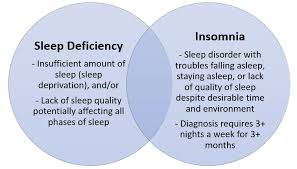
Insomnia is a sleep disorder that makes it hard to fall asleep or stay asleep, even when you have the time and environment to sleep well. It can cause you to wake up too early or not feel refreshed when you wake up. Insomnia can affect your mood, energy levels, and daily activities. 

Insomnia can be caused by stress, physical ailments, mental health problems, or poor sleep habits. 

It can affect people of all ages, but teens may be especially susceptible.

In most cases it is related to poor sleeping habits, depression, anxiety, lack of exercise, chronic illness or certain medication.

Symptoms may include difficulty falling or staying asleep and not feeling well-rested.

Treatment for insomnia consists of improving sleep habits, behaviour therapy and identifying and treating underlying causes. Sleeping pills may also be used but should be monitored for side effects.

It seems that more women than men have insomnia in the United States, more than one in four women experience insomnia, compared with fewer than one in five men. 

Also, a study found that women of all ages reported worse sleep quality than men. 

Women are twice as likely to have insomnia than men. 

This may be due to hormonal changes that women have during menstruation, pregnancy, breastfeeding, and menopause can cause or contribute to sleep difficulties. There are also physical symptoms that many women deal with during these times such as cramps or night sweats, that disrupt sleep. 

Caffeine can cause insomnia, especially if consumed in large amounts or close to bedtime, a study found that 400 mg of caffeine taken up to 6 hours before bed can significantly disrupt sleep, reducing it by more than an hour. 

Caffeine can disrupt your natural sleep-wake cycle, making it harder to get quality sleep. 

People with chronic insomnia may use caffeine to cope with daytime sleep deprivation, which can worsen insomnia at night. 

The exact effects of caffeine depend on the dose and an individual’s sensitivity. 

To minimize the risk of insomnia, it’s generally recommended to avoid caffeine in the hours before bed. People who regularly drink caffeine may be able to tolerate it better than those who don’t. 

Next week I will post the list of things that so called experts suggest to help with insomnia.

Week 44 of 2024

Had a good night work twice but settled back down pretty quick it is 12 degrees at 5am and my BGL is 4.9.

Tim working today and he will not get home till around 11pm so a long day for him.

It got to 25 degrees, I had to turn the ceiling fan on.

Didn’t exercise much today, just did 20 minutes in the morning.

Steps:5,696

SUE’S BIRTHDAY SHE IS 55 TODAY

Had a good night didn’t wake at all, it is 14 degrees and my BGL is 5.0

It’s a really hot day, Tim home from 9.30 to 1.30. Tim turned the ceiling fan on, but I think it is making the room hotter. 

Around 2.30pm it started to rain and that cooled things down a lot. It didn’t rain for very long.

Got a text from Dawson with photos of mum & dad’s old house and how it looks now inside and out as it is up for rent and the photos are with the rental listing. It does look very different.

Slept all night waking at 4.30 to pee and back to be till 5am, up showered and dressed for the day.

It isn’t supposed to be as hot as yesterday at the moment it is 16 degrees with a top of only 20 degrees expected. My BGL was 5.0

A cool morning and a warm afternoon.

I am very dyskinetic this afternoon.

I am having trouble sleeping, got up at 11.20pm used the Powerfit for 10 minutes, then just sat for 10 minute now I am going back to bed.

Steps:8,120

Slept alright after going back to bed at 11.40pm, I was woken by the alarm. It is supposed to be a hot day at the moment it is 15 degrees and by BGL was 5.1.

Finaly order the calendars for next year only took me two days to do them. By using a Groupon voucher, I got 5 A3 calendars for only $45 and not the full price of $176.

I haven’t done much today just no motivation but that’s ok I can have such days.

Steps:3,905

DAVID’S BIRTHDAY HE IS 46 TODAY

Slept well didn’t wake at all it is a pleasant 15 degrees, my BGL is 4.0, I am hoping it doesn’t get too hot, but we will see.

Yes, it got hot, I turned the air con on for a bit but got cold so turned it off after 30 minutes, opened the doors and closed the curtains to block out the heat.

Tim had an early start and had to get up at 3am, he will be home at the normal time which around 5.30pm.

I went to at 8.30pm as I was so very tired, I woke at 10.10pm sweating and with jerky movements, so I got a read some blogs the jerking has got worse will use the powerfit and go back to bed as I am still very tired

Steps:7,173

After returning to bed last night, I slept through to the alarm went this morning.

It is 16 degrees and my BGL was 4.4

When I walked up with Sam it started to rain and of course I forgot to wear my raincoat.

It didn’t rain for long and turned out to be a nice day, not to hot just warm.

I slept for 90 minutes then had to pee, went back to bed and slept for 60 minutes woke up with uncontrollable moving so got up and used the powerfit for 20 minutes then decided to update this before going back to bed.  

Steps:9,261

After returning to bed last night, I slept through to the alarm went this morning. I didn’t get back to bed till 2am and was at 5am, I had to have a short nap around 8am. Why was I up so later Jess came over after she got home from work and sat talking with her dad and me. I left them talking when I went to bed.

Tim has gone to help Tasha return her TV which is playing up but covered by warranty, it will not fit in her car.

I asked if he could get a few things for me, he forgot somethings even though he had a note and what he did get wasn’t right. He doesn’t read I do not and have never liked coffee, so no I will not drink caramel coffee.

Steps: 4,808