
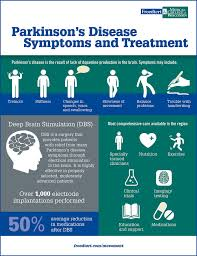
Well Friday has arrived and that means time for a little more about Parkinson’s Disease, still looking at medication and treatment.
The aim of drug treatment is to keep the patient active, independent and free of handicap. Easier said than done.
Just raising the amount of medication, one takes is not necessarily the answer or in the patient’s best interest. Due of course to the side effects, no point in having the symptoms disappear if one is left in a zombie like condition.
As mentioned before levodopa can be a big help with symptoms often restoring the level of dopamine closer to normal which can help with the symptoms.
However, with Parkinson’s some brain cells containing a substance called acetyl choline react to the lack of dopamine by increasing activity. This of course makes the symptoms worse not better. Treatment with anti-cholinergic drugs can help with that.
These two drug groups kind of come at the problem from two ends, hopefully tending to tilt more towards what would be considered normal.
As the disease progresses it is common to find oneself on a number of medications by having to take as many as five different medications to help one manage some kind of normalcy.
Naturally many would be concerned about taking large numbers of tablets worrying how they are reacting with each other, or if they are accumulating in the body. Neither of these fears are realistic as the drugs do not inter-react generally speaking there are always the chance of it happening, but it is extremely rare and when this happens it is well-recognised and quickly picked up.
Nearly all the drugs used are broken down destroyed in the body within 24 hours, so no risk of a build up in the body. There may be changes in the way the body’s nervous system responses to the medication over time, in general we become more sensitive to them which causes the change in response.

 Jo-AnneRamplings
Dearest Jo-Anne,
It sure is good that they invented medication to balance out the level of dopamine.
But one wonders if those meds, like so many others, do affect the kidneys…
Hugs,
Mariette
I looked into that and thankfully what I am taking doesn’t affect the kidneys
That is a big plus!
very good info
Thank you