
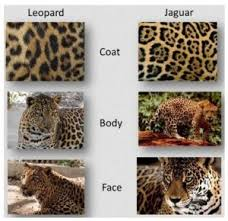
This week’s big cat is often confused with leopards both have similar brown/yellow base fur, with dark rosette markings. It is the Jaguar; however, they have small dots or irregular shapes within the larger rosette markings. They are also stockier and more muscular and have a shorter tail.
They are around 1.5 to 2.5 metres in length (5-8 feet), they are between 70-120 kilos (154-265 pounds. Their life span is 12-16yrs and a litter usually contains up to 4 cubs.
It is thew largest of the big cats to be found in the Americas, they once inhabited between the southern states of the USA to the tip of South America. However, now they are limited to the north and central parts of South America.
The number of Jaguars took a big dive in the 60’s and 70’s with as many as 18,000 killer each year for their coats. Thankfully Jaguar fur is no longer fashionable and there are many organisations trying to protect wild animals.
They prefer to live in forest areas, but they have been spotted around dry woodland and grasslands. Where they live affects their bodies, as in those living in the forest areas are smaller than those living in open areas. The forest dwellers also have a darker colour to them.

Where they live also effects how they hunt, those close to humans’ hunt at night, those more in the wild hunt during the day. They hunt cattle, horses, deer, reptiles, monkeys and fish. They can climb trees but not as good as Leopards can.
They were revered in ancient cultures, the Mayans believed they were the God of the underworld and helped the sun travel under the earth at night.

 Jo-AnneRamplings
Dearest Jo-Anne,
Another majestic big cat!
Hard to believe that they killed some 18,000 each year in the 60’s and 70’s for their coats… How cruel!
Thank goodness that is no longer done but meanwhile they’re rather extinct.
Hugs,
Mariette
When I read that number I was shocked I am glad that no longer goes on
AMEN!
I remember in my teens reading the Ted Hughes poem, The Jaguar, which describes a zoo in wnich the jaguar stands out, transfixing all who pass by its encloseue, as an animal that stalks the boundaries of its imposed territory, refusing to see a cage.
It was really interesting because some years later, I was in a large UK zoo where the jaguar gave exactly the feel expressed in the poem.
That is cool