Polar Bear

This week we are looking at the polar bear, the polar bear is a large bear native to the Arctic and nearby areas. It is closely related to the brown bear, and the two species can interbreed. The polar bear is the largest extant species of bear and land carnivore, with adult males weighing 300–800 kg.

They are a powerful symbol of the strength and endurance of the Arctic. The polar bear’s Latin name, Ursus maritimus, means “sea bear.” It’s an apt name for this majestic species, which spends much of its life in, around, or on the ocean–predominantly on the sea ice. In the United States, Alaska is home to two polar bear subpopulations.

They are good swimmers and can sustain a pace of six miles per hour by paddling with their front paws and holding their hind legs flat like a rudder. They have a thick layer of body fat and a water-repellent coat that insulates them from the cold air and water.

These bears spend over 50% of their time hunting for food. A polar bear might catch only one or two out of 10 seals it hunts, depending on the time of year as well as other things. Their diet mainly consists of ringed and bearded seals because they need large amounts of fat to survive.

They rely heavily on sea ice for traveling, hunting, resting, mating and, in some areas, maternal dens. But because of ongoing and potential loss of their sea ice habitat resulting from climate change–the primary threat to polar bears Arctic-wide–polar bears were listed as a threatened species in the US under the Endangered Species Act in May 2008. As their sea ice habitat recedes earlier in the spring and forms later in the fall, polar bears are increasingly spending longer periods on land, where they are often attracted to areas where humans live.

 They can run as fast as 40 kilometres per hour—but only for short distances. Younger, leaner bears are the best runners and are able to cover two kilometres’ without stopping. Older and larger bears, on the other hand, quickly overheat. However, they can only swim up to 10 kilometres per hour.

They have 42 razor sharp teeth: With jagged back teeth and canines larger than grizzly teeth, that would be quite the bite. Their paws are 30 cm wide which is big which act as a natural snowshoe that helps the bear trek across treacherous ice and deep snow. They also have 3 eyelids: The third helps protect the bear’s eyes from the elements and they have 4 inches of fat under their skin to keep it warm. Their skin is black, and their fur is transparent, and they have a blue tongue.

During autumn pregnant polar bears make dens in earth and snowbanks, where they’ll stay through the winter and give birth to one to three cubs. In spring the mother emerges from her den followed by her cubs. During that time, she will protect them and teach them how to hunt. They have a gestation period of between 195 and 265 days. They can live 20 to 30 years, but only a small percentage live past 15 to 18 years.

The oldest known polar bear in the Arctic lived 32 years. The oldest known polar bear in a zoological park lived 45 years.

When it comes to predator’s adult polar bears have no natural predators except other polar bears. Cubs less than one year old sometimes are prey to wolves and other carnivores.

Newborn cubs may be cannibalized by malnourished mothers or adult male polar bears.

American Black Bear

This week we are looking at the American black bear, or simply black bear, it is a species of medium-sized bear which is endemic to North America. It is the continent’s smallest and most widely

They vary in size, with males typically weighing between 56 to 226 kilos (125 to 500) pounds and females between 40 to 136kilos (90 to 300) pounds. They generally measure 1.5 to 2.1 metres (5 to 7 feet) in length and stand less than1 metre (2 to 3 feet) tall at the shoulder on all fours. When standing upright, they can reach a height of 5 to 6 feet

Most of their diet consists of berries, fruit, sedges, and insects. They will also occasionally consume fish, honeycomb, and human food and garbage, so it is important to make sure to keep your items locked up with bear-proof equipment! In the spring, black bears may prey on young elk and deer.

They are typically shy and secretive towards humans, generally avoiding encounters. They are known for their intelligence and curiosity, exhibiting problem-solving skills and a tendency to explore. While they can be active at any time of day, they are often crepuscular, meaning they are most active during dawn and dusk. Black bears are also solitary animals for most of the year, except during mating season and when females are raising cubs. 

They inhabit a wide range of environments across North America, primarily favouring forested areas. They are commonly found in mountainous regions, woodlands, and swamps, often seeking out areas with ample food, water, and shelter. 

They may become prey to mountain lions, wolves, coyotes, bobcats, grizzly bears, humans, or other black bears. Cubs are especially vulnerable to predation by these other animals.

While they are generally not known to be aggressive towards humans and often try to avoid encounters, they can be dangerous in certain situations. They may act defensively if they feel threatened or cornered, or if they are protecting food or their young. However, fatal black bear attacks are rare, with only a small number occurring each year in North America. 

Black bear cubs are typically born in January or February, weighing less than a pound and hairless, inside their mother’s den. They are usually born in litters of one to three, and emerge from the den with their mother in the spring, weighing around five pounds. Cubs stay with their mother for about 18 months, learning essential survival skills

Brown Bears

The brown bear is a large bear native to Eurasia and North America. Of the land carnivorans, it is rivalled in size only by its closest relative, the polar bear, which is much less variable in size and slightly bigger on average.

Grizzly bears and brown bears are the same species, although currently grizzly bears are considered to be a separate subspecies.

Brown bears are omnivorous, eating a mixed diet of plants, berries, fish, and small mammals, with almost 80 percent of their diet being tree bark, leaves, roots, mushrooms, nuts, fruit and berries. They are not averse to meat and will eat small rodents, birds, frogs or snakes, fish and carrion.

Unlike black bears, brown bears have long, strong claws that they use to dig for food, pick fruits, and catch prey.

The average life span for a wild brown bear is about 20 years, although many bears typically live longer than this. The oldest wild brown bears known lived for about 35 years.

Bear cubs are born after a gestation period of around 180-270 days. The newborn bears are naked, blind and toothless and are completely dependent on the mother. A litter usually consists of one to three cubs that weigh only 300 to 400 grammes at birth and are around 30 centimetres long.

The cubs typically stay with their mother for 2 to 3 years, learning essential survival skills. This period allows them to grow strong, learn to find food, and navigate their environment under their mother’s guidance. In some regions, like Katmai, cubs might stay with their mothers for around 2.5 years. 

Cubs are born in dens and rely on their mother’s milk for nourishment and protection. 

During their time with their mother, cubs learn crucial skills like foraging for food, recognizing and avoiding predators, and navigating different terrains. 

While some cubs might become more independent in their second year, they often continue to den with their mother for at least one more winter. 

Mothers are very protective of their cubs and may chase away or threaten other bears, including males, to keep their young safe. 

By the time they are around 2 to 3 years old, cubs are generally ready to venture out on their own and start their independent lives. 

They can climb trees, although their ability to do so diminishes as they grow older and larger. While young brown bears are excellent climbers, their size and weight can make it more challenging as they mature. However, they are still capable of climbing trees, even as adults. 

Why do they climb trees, well for various reasons, including escaping predators, accessing food (like fruit), or even just for fun or exploration.

They have an exceptionally acute sense of smell, exceeding that of dogs. Contrary to popular belief, bears are not nearsighted. Their eyesight and hearing are comparable to humans. They can run in short bursts up to 40 mph (64 kph) and are excellent swimmers

They use rocks as a tool to scratch an itchy spot and they know when they are being hunted.

Brown bear attacks on humans are relatively rare, with an average of about 40 attacks per year globally. While most encounters with bears do not result in attacks, and the vast majority of bears are not interested in attacking humans, defensive reactions can occur if a bear feels threatened or surprised, especially if it has cubs.

Mouse Deer aka Chevotain

This week are looking at a creature called the Chevrotain, or mouse-deer. At first glance, these animals look like a weird mash-up of a deer, a mouse, and a pig, however they and not a mouse nor a deer or even a pig.

They are primarily found in the forested regions of South and Southeast Asia, Specifically The Greater Sunda Islands, the Philippines, southern China, and mainland Southeast Asia.

                       Vietnam Mouse-Deer

A single species, the water chevrotain, is found in the rainforests of Central and West Africa. The water chevrotain is found in western equatorial Africa. 

They are known as the smallest hoofed mammals in the world, with their size typically ranging from 45 cm (18 inches) in length and 30 cm (12 inches) in height. 

                       Water Chevrotain

The water chevrotain, is a larger species, is still relatively small, with a body length of about 85 cm and a shoulder height of 35 cm.

Mouse deer are territorial, unlike many other hoofed mammals, they have no antlers. Instead, the male mouse deer protects itself with a pair of tusk-like canines. When under threat or agitated, mouse deer rapidly beat their hooves against the ground.

After getting pregnant, a female chevrotain will carry the offspring for five to nine months, depending on the species. The baby can usually stand on its own within one hour of being born. Mothers will visit their young periodically for feedings and stand on three legs while nursing.

                      New born mouse-deer

Chevrotains are known for their ability to be almost continuously pregnant—greater and lesser Malay mouse deer can mate again only a few hours after giving birth.

Due to their small size, chevrotains are preyed upon by many different animals. Lacking antlers or horns for protection, the tiny animals are forced to lead secluded lives. Some species are nocturnal and very rarely seen. Chevrotains are very shy and often graze alone, only coming together to mate. They communicate with a series of smells and noises; this timid behaviour makes it difficult for scientists to study them.

                           Mother and Baby

Although normally peaceful, a male will angrily beat his hooves when agitated—they can stomp around four to seven times a second. This “drum roll” technique wards off predators and warns others in the area that there’s danger.

They are primarily herbivorous, feeding on the leaves, fruits, and buds of trees and shrubs. It has occasionally been observed eating insects, crustaceans and even small mammals. Like many herbivores, the water chevrotain has various adaptations to facilitate effective digestion of its low-nutrient diet.

By the age of 5 months, the mouse deer is sexually mature. These animals have a lifespan of about 12 years. Life isn’t easy for a mouse deer, with a range of carnivorous predators sharing their habitat.

They are farmed in some parts of Asia, particularly Vietnam, where they are raised for both their meat and other products. 

Zebra

                                                                    PLAINS ZEBRA

Hi everyone, yesterday I forgot to post this so I’m doing it now and if I manage to write Wednesday’s post I will post it this afternoon, if not then tomorrow.

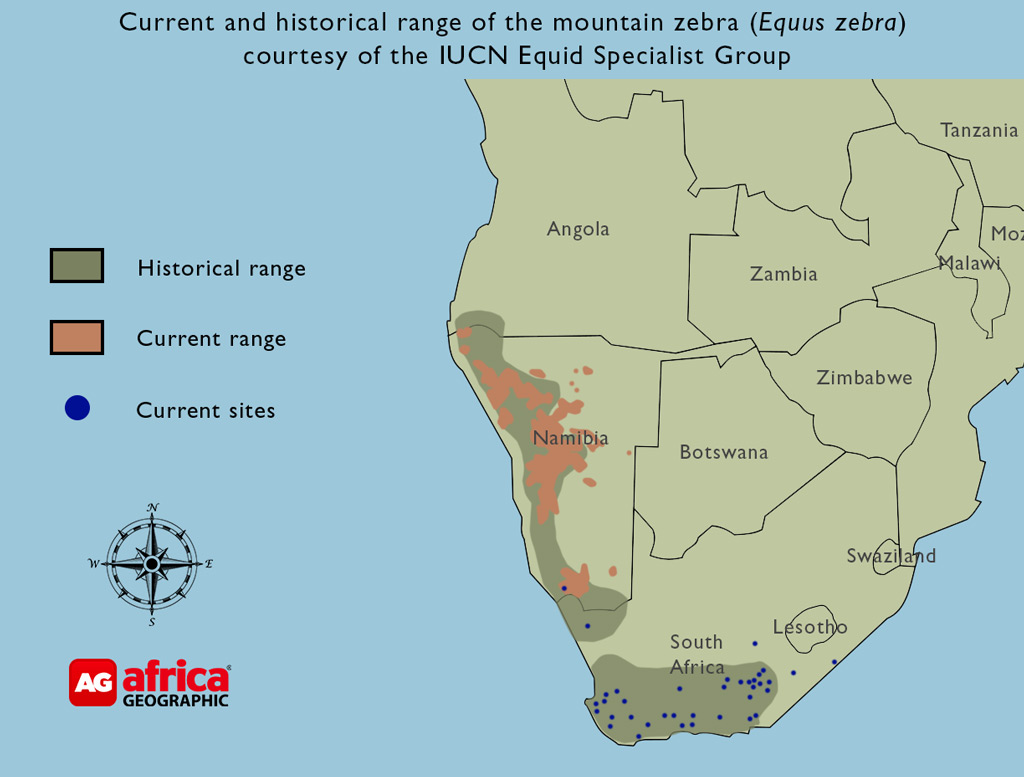
                    AREA’S WHERE ZEBRA’S ARE FOUND

This week we are looking at the zebra, a mammal they are found in various countries across the African continent. Specifically, they inhabit regions within Kenya, Ethiopia, Somalia, Namibia, Angola, and South Africa. Different zebra species, like Grevy’s zebras and Mountain zebras, have more specific ranges within these areas, while Plains zebras are the most widespread. 

They look similar to horses. They stand between 47 and 55 inches (120 and 140 centimetres) tall at the shoulder. Each species of zebra has its own pattern of stripes. The plains zebra has broad stripes that are widely spaced. The stripes of Grevy’s zebra are narrow and closely spaced, and the belly is white. The mountain zebra has a grid like pattern of stripes on the rump.

                        MOUNTAIN ZEBRA

Zebra stripes are like fingerprints. No two zebras are alike. This helps to identify individuals.

They eat mostly tall, rough grasses. Some types also eat shrubs, herbs, and bulbs. Unlike many ungulates in Africa, zebras do not require short grass to graze. Instead, they eat a wide variety of different grasses, sometimes even eating leaves and young trees. As a result, they can range more widely than many other species, often venturing into woodlands. They are considered to be “pioneer grazers” preparing plains for more specialized grazers who rely on short, nutritional grasses.

                        GREVY ZEBRA

Zebras communicate with each other using calls and facial expressions. They often greet each other with nose-to-nose contact. Plains zebras have at least 6 different vocal calls. A two-syllable call is used to alert herd members to predators while snorts indicate happiness. They also use facial expressions to communicate. When greeting each other, they will stick their ears up and push their faces forward. When feeling threatened, they will press their ears against their heads.

Female zebras may have one foal each year. Females and their young usually live in small family groups headed by one male. Thes groups are called “harems.”. Harems generally remain together for months or even years, making it an incredibly stable family unit.

But female Grevy’s zebras may form family groups without head males. Family groups sometimes join together in larger herds. Zebras also may form mixed herds with antelopes.

A male zebra is called a stallion. Female zebras are called mares, and their young are called foals. 

Every year, hundreds of thousands of zebras gather up their young and begin the long journey from Tanzania’s Serengeti plains, north to Kenya. This annual trek to find food and water covers a distance of around 2,900 kilometres (1,800 miles) and exposes them to a myriad of dangers. River crossings leave herds vulnerable to crocodiles, while the size of the migration itself brings lions, hyenas, and wild dogs.

Rhinoceros

This week’s hooved animal is the rhinoceros or rhino the word rhinoceros is a combination of two Greek words – rhino (nose) and ceros (horn).

There are five living species of rhinoceros – white, black, greater one-horned, Javan and Sumatran. In addition, a number of other animals have rhinoceros as part of their names, including the rhinoceros auklet, rhinoceros beetle, rhinoceros chameleon, rhinoceros cockroach, rhinoceros fish, rhinoceros hornbill, rhinoceros iguana, rhinoceros rat snake, rhino shrimp, and rhinoceros viper. All of them have horn-like appendages on their noses.

They can be found in several countries across both Africa and Asia. In Africa, you can find them in Angola, Botswana, Kenya, Malawi, Mozambique, Namibia, South Africa, Tanzania, Uganda, Zambia, and Zimbabwe. In Asia, they can be found in India, Indonesia, Nepal, and Vietnam. 

The two main species of rhino in Africa are the black rhino and the white rhino. Black rhinos are found in 12 African countries, with the largest populations in Namibia, South Africa, Kenya, and Zimbabwe. White rhinos are found in 11 African countries. 

Asia is home to the greater one-horned rhino, Javan rhino, and Sumatran rhino. You can find them in India, Indonesia, Nepal, and Vietnam. 

A rhino’s horn is not attached to its skull. It is actually a compacted mass of hairs that continues to grow throughout the animal’s lifetime, just like our own hair and nails. The longest horn on record belonged to a white rhino and measured just under 152cm or 60 inches, which is five feet, and I am only four foot eleven inches tall.

The rhinoceros’s closest living relative is the tapir. Horses and zebras are also related, but less closely than tapirs. All three belong to the group of odd-toed ungulates, known as Perissodactyla. Really horses and zebras that sounds weird.

The white rhino’s name comes from the Afrikaans word “wyd,” which means “wide” and describes its mouth. Early English settlers in South Africa misinterpreted the “wyd” for “white”. Black rhinos may have received their name from the dark wet mud in their wallows that made them appear black in colour. Both species are gray in colour, the famous Blue Rhino, corporate logo for the well-known propane tank company, is entirely a figment of its founder’s imagination.

After mating, adult male and female rhinos typically go their separate ways. After the calf is born, it will spend a couple of years or more in the company of its mother, and perhaps associate with other females and their calves, but the father rhino is not part of the standard social group.

They are not generally considered friendly to humans, although they are not inherently aggressive. They prefer to be just left alone and will only charge if they feel threatened or are protecting their young. Female rhinos, especially those with calves, can be particularly dangerous in the wild. While they may not intentionally seek to harm humans, their size and power make them a serious threat if they do charge. 

The live anywhere between 35 and 50yrs depending on the breed.

All five species of rhinos are herbivores, eating mainly vegetation. They spend most of their time browsing and grazing through their natural habitat in search of plants and grasses to eat.

Hippo’s

This week we are looking at hippo’s aka hippopotamus they are what some refer to as stout and naked-skinned. They are semiaquatic artiodactyl mammals, possessing three-chambered stomachs and walking on four toes on each foot. While they resemble pigs physiologically, their closest living relatives are the cetaceans. They are sometimes referred to as hippopotamids.

Their hooves are different from other ungulates, as they are more like fingernails. Their feet are webbed, which helps them move about in water.

They are found in the heart of Africa’s wetlands. These semi-aquatic creatures live in and around lakes, rivers, and grassland swamps. There are two species of hippopotamuses, the common river hippopotamus and the smaller pygmy hippopotamus.

Common river hippopotamuses are native to sub-Saharan Africa. They live in waterways like rivers, lakes, swamps, and estuaries. These semi-aquatic mammals can be found in various African countries, with populations in both East and West Africa.

Pygmy hippos, unlike their larger relatives, are found in the tropical rainforests and swamps of four West African countries: Côte d’Ivoire, Guinea, Liberia, and Sierra Leone. Their slightly smaller bodies have adapted to allow them to easily navigate the vegetation in rainforests.

Hippos must keep their skin wet with mud or water for most of the day to stay hydrated. While they don’t have sweat glands, they secrete a red substance called blood sweat. This helps protect their reddish-brown, thick yet sensitive skin from sunburn and keeps it moisturised. Despite their need to spend most of their time in the water, hippos can’t swim. Instead, they run or walk along riverbeds. When they’re rafting—napping while submerged in water—a subconscious reflex keeps them near the water’s surface.

They are formidable creatures and considered the second largest land mammal, smaller only than elephants. The average male hippo can weigh around 3,200 kilos (7,000 pounds, they’re typically around 3.5 metres (11 feet) long and 1.5 metres tall (5 feet).

While adult pygmy hippos stand about 75–100 cm (2.46–3.28 ft) high at the shoulder, are 150–175 cm (4.92–5.74 ft) in length and weigh 180–275 kg (397–606 lb). Their lifespan in captivity ranges from 30 to 55 years, though it is unlikely that they live this long in the wild.

Hippos have bulky, barrel-shaped bodies, short and stout legs, large heads, and enormously powerful jaws. Their jaws can open to 180 degrees and their bite is three times stronger than a lion. They have incredible sharp teeth that can grow up to 50cms long, which are used for eating and defence. The common hippopotamus has four webbed toes adapted to support them on land and in water. On the other hand, pygmy hippos tend to have less webbing and slightly longer legs. A hippo’s eyes and nostrils sit on top of its head, which helps it stay mostly submerged in water while breathing and keeping an eye on its surroundings. Although hippos can’t breathe underwater, they can hold their breath for up to five mins.

Hippos exhibit strong social bonds and typically live in groups of anywhere between 40 to 200, known as bloats, pods, or herds.

They are territorial creatures and use their dung to mark their territory. Male hippos have been known to flick their dung around to assert dominance. This dung is actually important to their aquatic ecosystems, as it transfers vital nutrients from land to water, allowing insects, plants, and other microorganisms to flourish. 

They play a crucial role in the ecosystem it inhabits in other ways, too. These herbivores graze on the vegetation surrounding wetlands, helping prevent overgrowth, which can clog water sources, disrupt the natural flow of water, and threaten the biodiversity of aquatic ecosystems. 

Healthy wetlands act as effective carbon sinks and remove excess carbon from the atmosphere. By maintaining the balance of these delicate ecosystems, hippos help mitigate the effects of climate change.

Hippos are facing several threats to their survival as a species. Global conservation efforts are critical to ensuring the well-being of the species and the ecosystems it inhabits. 

Largest Horse Breeds

This week we are looking at the world’s largest horse breeds with the Shire horse often considered the largest horse breed. It is a British breed known for its impressive size and strength, with some individuals reaching heights of 18 to 21 hands. The largest Shire on record, Sampson (later Mammoth), stood at 21.5 hands. They usually black, bay, or grey.

This horse originated in England and are known for their large size and powerful build. They can weigh up to 2,200 pounds and stand up to 18 hands tall. Historically used for pulling heavy carts and ploughing fields. 

They are now used for horse riding, show events, as well as still being used for work in some areas. They are known for their gentle and calm temperament. 

The Shire breed have held world records for both the largest and tallest horse. 

They are primarily found in the United Kingdom, Australia, Canada, and the United States. While the breed originated in England, they have been exported and bred in other countries as well. 

In addition to the Shire, other large horse breeds include the Clydesdale which is another British draft horse breed, known for its size and strength, and often used in parades and horse shows. Clydesdale horses are found in several countries around the world, most notably in their native Scotland, Oklahoma State University, as well as in Australia, New Zealand, Canada and the United States.

They were also exported to other countries like Russia and South America. Today, the breed is particularly popular in Australia, where it’s known as “the breed that built Australia”. 

Then there is the Belgian Draft Horse, known for its large size and strong build, used for farm work and heavy hauling. They are primarily found in Belgium, where they originated, and the United States, particularly the American Brabant. The breed is also found in other parts of Europe and North America. 

Next week we will look at the smallest horses 

Island Fox

This will be the last post about foxes we are ending with the Island Fox.

The Island fox is native to six of the eight Channel Islands in California it is considered critically endangered by the IUCN, it is threaten by golden eagles, disease, and habitat destruction.

The Catalina Island Conservancy and Institute for Wildlife Studies have established a fox recovery program for the island fox. This program includes vaccination, relocation, and captive breeding. 

The island fox is a small fox species that is endemic to six of the eight Channel Islands of California. There are six subspecies, each unique to the island it lives on, reflecting its evolutionary history. They are generally docile, show little fear of humans, and are easily tamed.

The island fox has similar markings to the gray fox. They have gray colouring on the back, rust colouring on the sides, and white underneath. The face has a distinctive black, white, and rufous-coloured patterns.

In March 2004, four subspecies of the island fox were classified as a federally protected endangered species: the Santa Cruz Island fox, Santa Rosa Island fox, San Miguel Island fox and the Santa Catalina Island fox.

Island foxes reach sexual maturity at 10 months, and females usually breed within the first year. These foxes can live for up to 10 years in the wild, but four to six years is more typical.

They are generally docile, show little fear of humans, and are easily tamed. Island foxes played an important role in the spiritual lives of native Channel Islanders. They have been likely semi-domesticated as pets, used as pelts, or for other functions, like pest control.

They are omnivorous, eating both plants and other animals. They eat a large amount of insects, some island deer mice, reptiles, and fruit from native plants. New evidence is showing marine resources may be important for island foxes. Their diet also changes with the seasons.

 The primary threat to the island fox is predation by invasive golden eagles. The species is also very vulnerable to canine distemper transmitted by domestic dogs, habitat fragmentation due to development, and habitat loss to introduced livestock and game species.

Bat-Eared Fox

This week we are look at the bat-eared fox, another fox I hadn’t heard of.

The bat-eared fox is a species of fox found on the African savanna. It is the only extant species of the genus Otocyon and a basal species of canid. Fossil records indicate this canid first appeared during the middle Pleistocene.

As the name indicates, this fox has unusually enormous ears in proportion to its head, like those of many bats. Their bodies are generally yellow-brown with a pale throat and under parts. The outsides of the ears, the racoon-like “face-mask,” lower legs, feet, and tail tip are all black. 

They can be found living in groups of mating pairs and their young. They are a very social species and spend lots of time grooming each other, as well as playing and sleeping together.

Their hearing is remarkable, but bat-eared foxes are also known for their social nature. They often live in family groups of up to 15 animals. They do not mark or defend territories aggressively against other packs.

They seldom drink water as they obtain most of the moisture they need from their food; 3. Unlike other canids, the male undertakes most parental care duties, while the female forages for food that maintains her milk production

Termites and dung beetles make up about 80 percent of their diets. In addition to termites and dung beetles, they also eat other insects and arthropods, small rodents, lizards, the eggs and chicks of other birds, and plant matter. They obtain much of their water from the body fluid of the insects they consume.

Predators include cheetahs, jackals, spotted hyenas, rock pythons, African wild dogs, and leopards. Bat-eared foxes are named for their large ears, which are also used for thermoregulation. To escape from predators, bat-eared foxes rely on speed and their incredible dodging ability.

They typically live for 6 years in the wild but can be up to 13 years in captivity. 

They reach sexual maturity at 8–9 months old, both male and female. They usually leave their family groups at 5–6 months old. 

They breed annually, producing litters of 3–6 pups, with a gestation period of 60–75 days.